









This post is sponsored by Children’s Mercy.
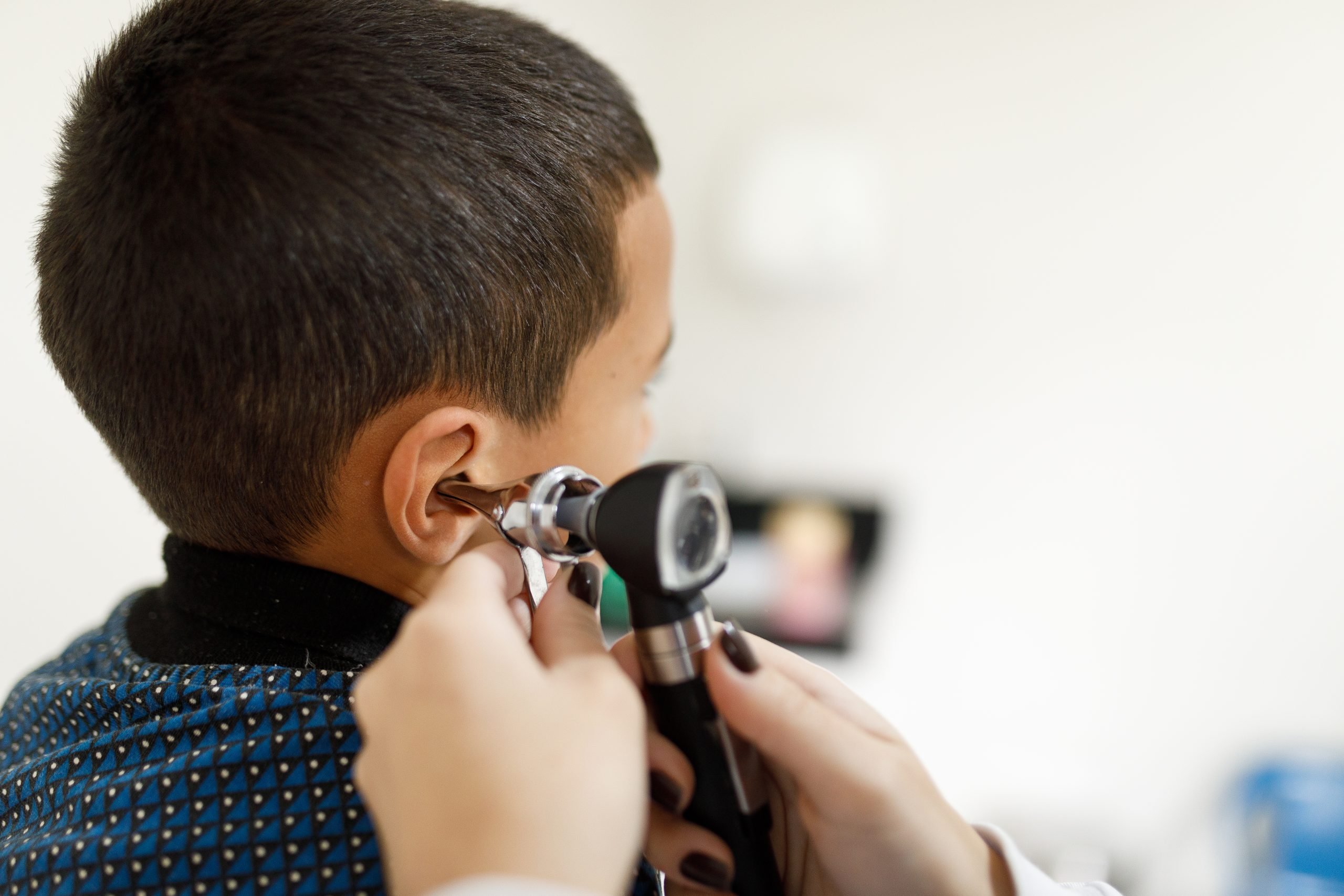
Ear infections are a rite of passage for many young children, as well as a source of stress for parents. If your little one is dealing with recurring ear pain, you’re not alone. Here’s what you need to know about ear infections, how to spot them and when it might be time to talk to your pediatrician about ear tubes.
What are ear infections?
An ear infection happens when fluid or pus builds up behind the eardrum, often due to bacteria or viruses. Young children are especially prone to them because their Eustachian tubes (which connect the middle ear to the throat) are still developing. These tubes are small, horizontal and easily blocked by mucus.
Common causes include:
- Colds and other viral infections
- Bacterial Infections
- Smoke exposure
- Allergies
- Daycare Germs
- Family history
- Facial structure differences
Signs of an ear infection
Since toddlers and babies can’t always tell us what hurts, watch for these signs:
- Fussiness or frequent crying
- Tugging at ears
- Ear pain
- Low grade fever (99.5- and 100.3F)
- Eating less
- Trouble sleeping
- Vomiting or diarrhea
- Throwing up or diarrhea
- Hearing changes or seeming less responsive
If you notice any of these symptoms, it’s a good idea to check in with your child’s doctor.
Can you prevent ear infections?
While not all ear infections are preventable, you can reduce the risk by:
- Avoiding smoke exposure
- Practicing good hand hygiene
- Keeping your child away from sick contacts when possible
When are ear tubes needed?
Ear tubes are recommended if your child has frequent ear infections defined as:
- 4 infections in 12 months or
- 3 infections in 6 months
If fluid behind the eardrum doesn’t clear up, your child may be a candidate for ear tubes. Chronic infections can lead to hearing loss and speech delays, so early intervention matters.
What are ear tubes?
Ear tubes are tiny plastic or metal cylinders placed in the eardrum during a short surgical procedure. They help drain fluid and relieve pressure, reducing the risk of future infections. Most tubes fall out naturally within about six months.
If your child gets an ear infection after tubes are placed, treatment is easier and usually just consists of ear drops, not oral antibiotics.

Ear tubes next to a dime and illustration of an ear tube in an eardrum.
What to expect from ear tube surgery?
The procedure is about 10 minutes and done under anesthesia. Your child will likely go home the same day. Most families notice:
- Fewer ear infections
- Better hearing
- Improved sleep and behavior
Kids can still bathe and swim normally, though deep water swimming (over 2 feet) is discouraged.
If your child is struggling with ear infections, talk to your pediatrician. Ear tubes might be the simple solution that brings relief — for both your child and your family.
 Written by Jason Brown, DO – Children’s Mercy Pediatric Otolaryngologist